
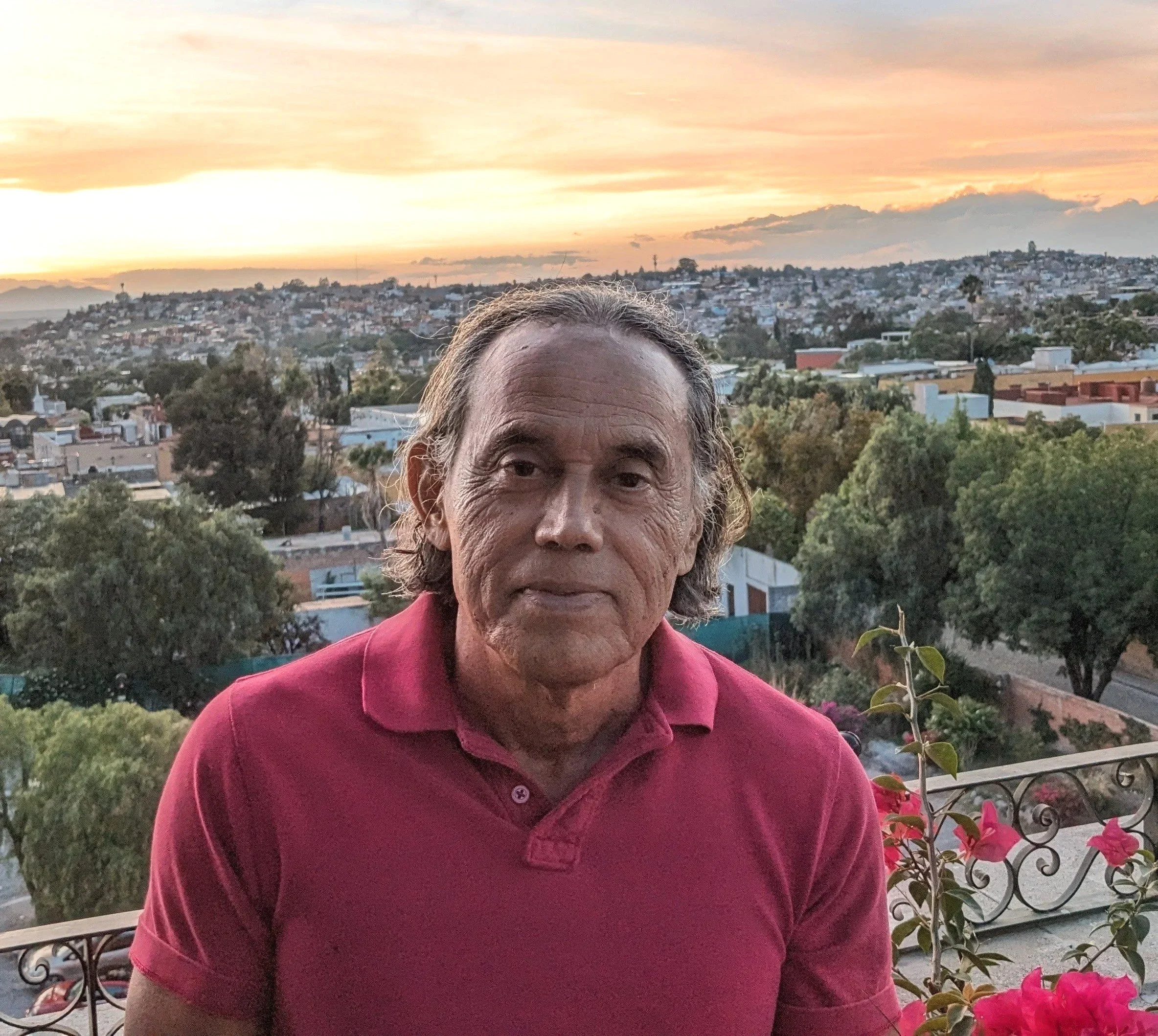
Jorge M. Valadez
A philosophical voice from the margins.
I am an Indigenous Mexican American philosopher and Professor Emeritus at Our Lady of the Lake University in San Antonio, Texas. Throughout my academic career, my scholarship has been guided by a commitment to understanding justice in all its dimensions and to bringing philosophical reflection into conversation with the pressing ethical challenges of our time.
My research explores the evolving boundaries of justice in an increasingly interconnected world. I have written on deliberative democracy in pluralistic societies, multiculturalism, the ethics of immigration, Indigenous rights, and animal ethics. In my most recent book, Justice Unbound: Planetary Ethics in an Interconnected World, I developed a comprehensive theory of justice that integrates four interdependent domains: national justice, international justice, justice toward the natural world, and justice across generations.
My current work turns to broader philosophical questions at the intersection of science, ethics, and religion. I am exploring how cosmic evolution gave rise to life and moral consciousness and whether our understanding of God should likewise evolve—from the concept of a supernatural personal being to that of an ongoing creative process unfolding within the universe itself. My goal is to articulate a philosophical vision that is both scientifically informed and ethically responsive to the challenges of an interconnected world.
Books
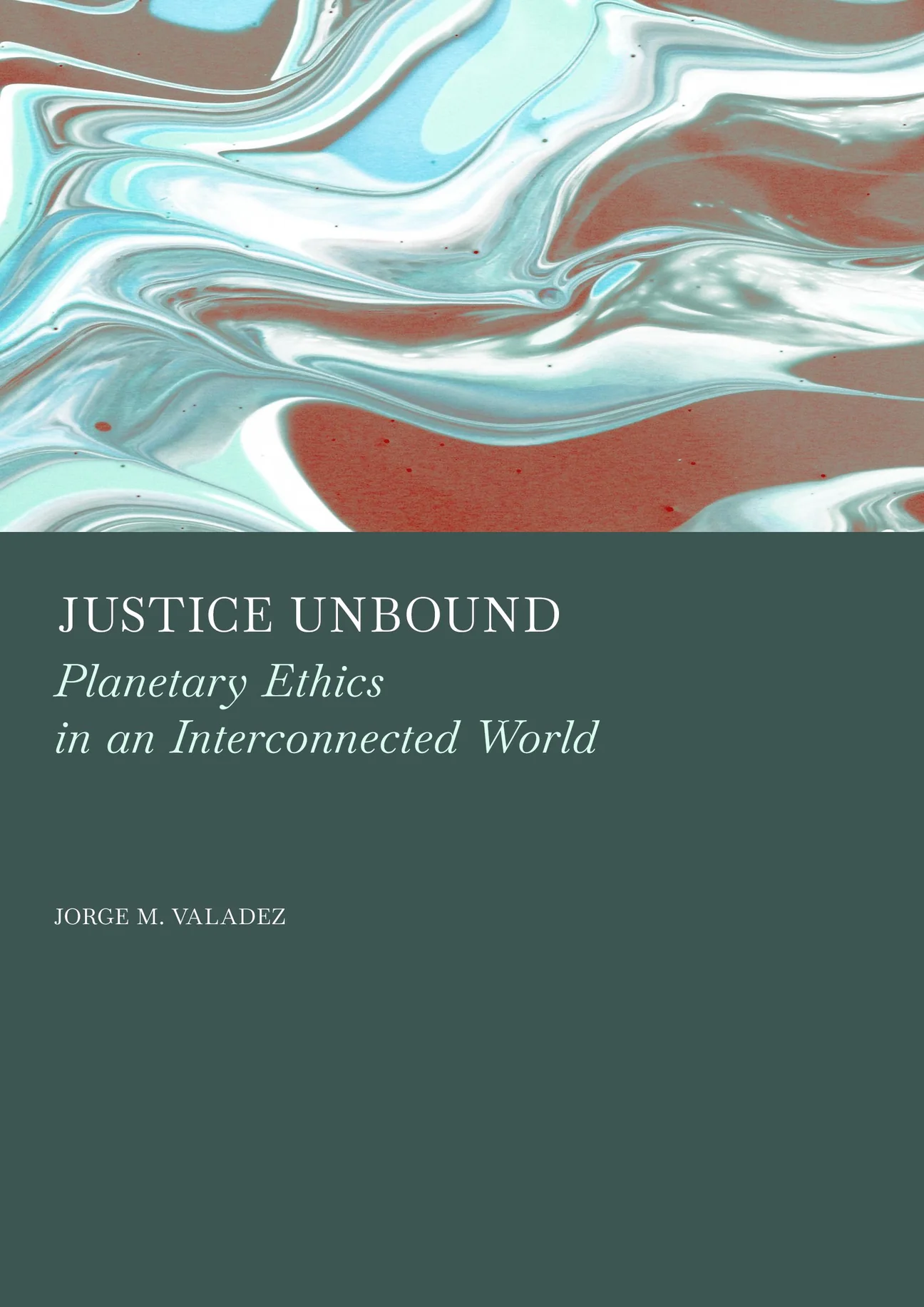
Justice Unbound: Planetary Ethics in an Interconnected World
This book sets out to develop a unified theory of justice; one that brings coherence and consistency to obligations across all domains, including justice obligations to compatriots, to people in other countries, to animals and plants, and to future and past generations. While contemporary theories of justice tend to focus on specific contexts—such as domestic institutions, animal rights, international relations, or environmental justice—this work argues that our moral reasoning requires an integrated framework. Without such a unified framework, justice obligations in one domain may conflict with or undermine obligations in other domains.
Establishing the overarching consistency and coherence of all our justice obligations is very important, since we want to know how justice obligations in one domain of justice may delimit, reinforce, or otherwise qualify obligations in other domains. This work addresses the problem of fragmentary and limited theories of justice by providing theoretical tools to identify and justify in a theoretically coherent manner our justice obligations in the four domains of justice.
The need for a unified framework could not be more pressing. In a world where fragmented theories of justice can lead to conflicting or contradictory imperatives, this book offers a powerful alternative: a rigorous, morally expansive approach that seeks overarching coherence. It provides the philosophical foundations to justify justice obligations in a consistent and inclusive manner. In an era defined by global crises and unprecedented intergenerational challenges, understanding justice in this unified, holistic way is not only intellectually compelling—it is an ethical imperative.
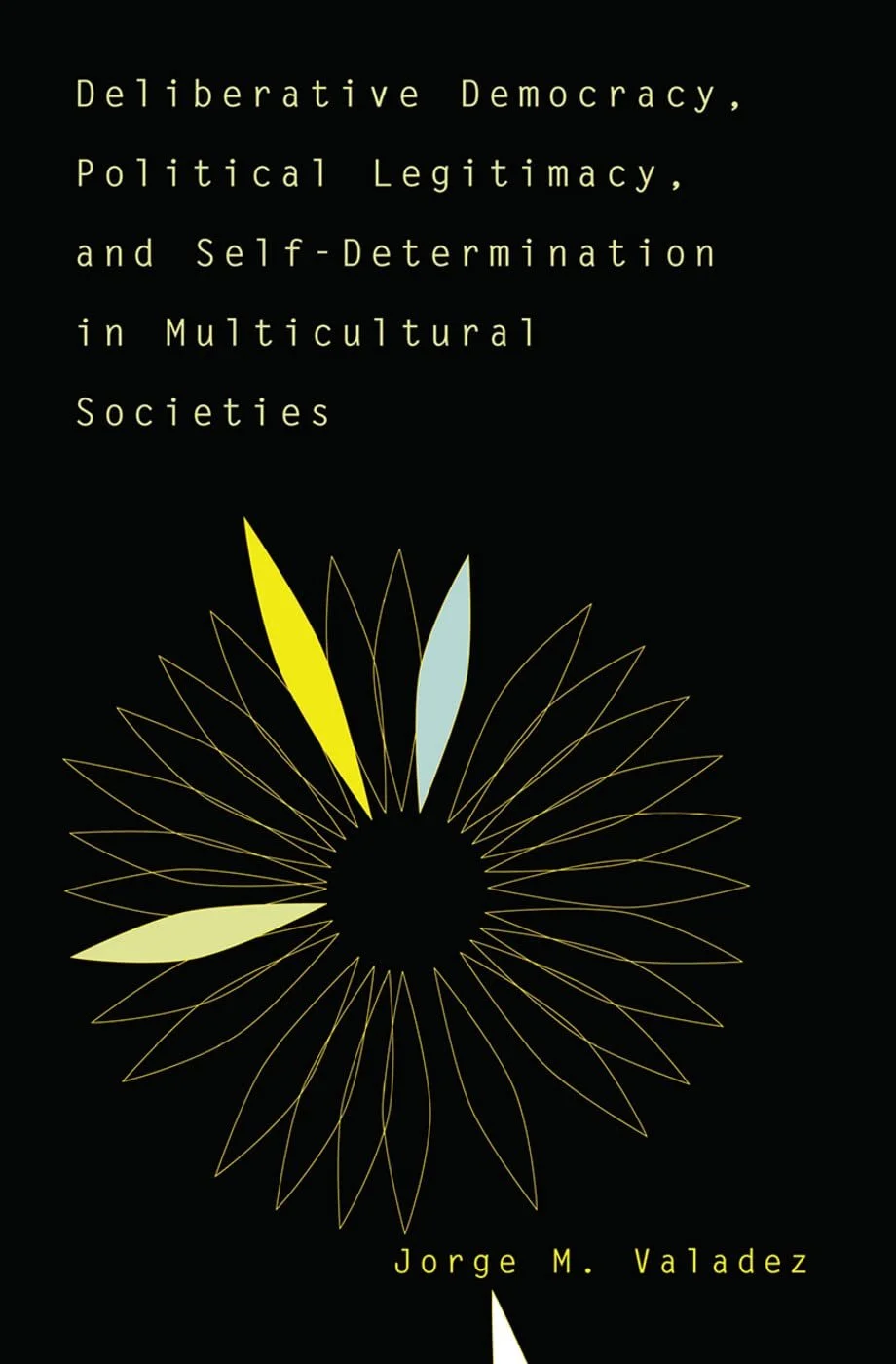
Deliberative Democracy, Political Legitimacy, and Self-Determination in Multicultural Societies
Most foundational works in political philosophy have made fundamentally false and far reaching assumptions concerning the culturally homogeneous character of the polity. This work provides a much-needed corrective to conventional accounts of the normative foundations of the state by reconceptualizing some of the fundamental issues in political theory from a perspective that recognizes the culturally pluralistic character of contemporary democracies.
Among the issues considered are democratic deliberation in multicultural societies, the justification and function of political communities, the nature of self-determination, the justification of cultural rights and the moral rational for regional self governance and succession. This work is particularly valuable for lay readers interested in understanding the major sources of conflict and instabilities in democratic multi-cultural societies.

Representative Publications